How to Set Up a Camping Kitchen: Essential Tips for Beginners
Setting up a camping kitchen for the first time can feel overwhelming, especially when you're standing in a field surrounded by bags of equipment wondering where to start. Whether you're planning a weekend camping trip, a family caravan holiday, or embarking on your first wild camping adventure, having a well-organised and functional outdoor kitchen makes all the difference between a stressful experience and an enjoyable one. This comprehensive guide will walk you through everything you need to know about creating the perfect camping kitchen setup, from choosing the right location to organising your equipment efficiently.
Understanding the Basics of Camping Kitchen Setup
Before you begin unpacking your equipment, it's essential to understand what makes a camping kitchen functional. Unlike your kitchen at home, a camping kitchen needs to be portable, weather-resistant, and efficient in terms of space and resources. The goal is to create a dedicated cooking area that keeps your food preparation separate from your sleeping and relaxation spaces whilst remaining practical and safe.
A successful camping kitchen setup relies on three core principles: organisation, accessibility, and safety. Your cooking area should allow you to prepare meals without constantly searching for utensils or ingredients, everything should be within easy reach when you need it, and the entire setup must minimise fire risks and food contamination hazards. Keep these principles in mind as you plan your outdoor cooking space.
Choosing the Right Location for Your Camping Kitchen
The location of your camping kitchen is perhaps the most crucial decision you'll make. Start by finding a flat, stable surface away from your tent entrance. You want to avoid having cooking smells wafting into your sleeping area, and you definitely don't want to risk any accidents with hot pans or camping stoves near where people sleep.
Look for natural windbreaks such as bushes or your vehicle, but ensure there's adequate ventilation. Good airflow is essential when cooking with gas stoves, as carbon monoxide can build up in enclosed spaces. Position your kitchen at least three metres away from your tent and any overhanging branches or dry vegetation that could pose a fire hazard.
Consider the proximity to water sources, but never set up directly beside rivers or streams. You'll need water for cooking and washing up, but camping too close to water sources can damage fragile ecosystems and isn't permitted in many wild camping areas. Check the ground is level by placing your camping table or kitchen stand in position before unpacking everything else.
Think about the morning and evening sun positions. Having some natural shade during the day helps keep perishable foods cooler, whilst morning sun can make breakfast preparation more pleasant. If you're camping in exposed areas, position your kitchen so you're not constantly battling wind when trying to light your stove.
Essential Equipment for Your Camping Kitchen
Building your camping kitchen inventory starts with understanding what you actually need versus what seems like a good idea. Begin with a portable camping table or dedicated camping kitchen unit. These provide a stable, elevated surface for food preparation and cooking, keeping everything off the ground and at a comfortable working height. Many modern camping kitchens come with integrated storage compartments, windbreaks, and even built-in sink areas.
Your cooking system is the heart of your camping kitchen. For beginners, a reliable two-burner camping stove offers versatility without being overly complicated. Gas stoves using butane or propane cartridges are popular because they're easy to use, provide controllable heat, and work in most weather conditions. Make sure you bring spare gas canisters, as running out of fuel halfway through cooking dinner is frustrating.
Cookware designed specifically for camping is lighter and more compact than regular kitchen pans. A basic set should include a frying pan, a medium-sized pot with a lid, and a kettle. Look for sets with detachable handles that nest inside each other to save space. Non-stick coatings make cleaning easier, though cast iron cookware retains heat better and lasts longer if you don't mind the extra weight.
Utensils and tools should be kept minimal but functional. You'll need a sharp knife, a chopping board, wooden spoons, a spatula, tin opener, and tongs. Many camping stores sell compact utensil sets that include everything you need in one neat package. Don't forget essentials like matches or a lighter in a waterproof container, and bring backups.
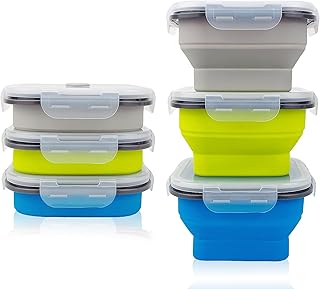
Storage containers are vital for keeping your food organised and protected from wildlife. Sealable plastic boxes or bags work well for dry goods, whilst a cool box or cool bag with ice packs keeps perishable items fresh. Collapsible water carriers are invaluable, allowing you to transport water from the tap or stream to your cooking area without multiple trips.
Organising Your Camping Kitchen Space
Once you've chosen your location and have your equipment ready, organisation becomes key to an efficient camping kitchen. Create distinct zones for different tasks: food preparation, cooking, cleaning, and storage. This workflow approach, similar to the classic kitchen triangle, minimises movement and keeps your cooking process smooth.
Set up your preparation area on one side of your camping table, keeping cutting boards, knives, and ingredients here. Your cooking zone should be central, with the stove positioned securely on a flat, stable surface. Never place camping stoves directly on the ground where they can tip over easily. Many camping tables have specific areas designed to hold stoves safely.
The cleaning station can be as simple as a washing-up bowl on the ground beside your table, with biodegradable soap, a sponge, and a tea towel nearby. Some campers prefer separate bowls for washing and rinsing. Keep a bin bag attached to your table leg or suspended from a nearby tree branch for rubbish, ensuring it's secured so wildlife can't access it.
People Also Look For:
- Prasacco 4 Pack Kitchen Towel Hooks Self Adhesive Tea Towel Holders Tea Towel Hooks Tea Towel Clips Towel Holders for Kitchen Bath...
- WOLTU Folding Camping Cupboards Camping Table with Carrying Bag and Storage Organiser, Picnic Table Easy Store with Roll-up Tablet...
- TIMBER RIDGE Compact Camping Storage, Pop Up Folding Camping Kitchen Unit, Camping Furniture Camping Cupboards Cabinet Outdoor 3 S...
- Outsunny 3 Piece 4ft Folding Picnic Table and Bench Set, Portable HDPE Camping Table and Chairs with Carrying Handle for Indoor Ou...
- Camping Accessories Set, ISFORU 9PCS Camping Kitchen Utensil Organizer Travel Kit with Peeler, Cutting Board, Bottle Opener and St...
Storage should be logical and accessible. Keep frequently used items like salt, pepper, oil, and tea bags in a small container on your table. Store other ingredients in labelled boxes beneath your table or in your vehicle. Heavy items should stay low to prevent your setup from becoming top-heavy and unstable.
Create a spice and condiments kit in a small plastic box. Include basics like salt, pepper, dried herbs, stock cubes, and any other flavourings you regularly use. This prevents you from bringing entire bottles and jars that take up space. Small reusable containers or film canisters work perfectly for portioning out what you need.
Food Planning and Storage
Successful camping cooking starts long before you arrive at your campsite. Plan your meals in advance, considering what ingredients you already have, what needs refrigeration, and how long items will stay fresh. For beginners, it's wise to plan simpler meals for the first few trips until you're comfortable with outdoor cooking.
Start your trip with meals requiring refrigeration and fresh ingredients, then move to dried, tinned, and preserved foods as your cool box ice melts. Pre-chop vegetables and marinate meats at home, storing them in sealed containers or bags. This reduces preparation time at the campsite and means less waste to deal with.
Pack ingredients in order of use, with first night's dinner ingredients most accessible. Label containers clearly, especially if you've pre-prepared ingredients. Nothing is more frustrating than searching through multiple containers to find what you need whilst your stove burns away.
Keep raw meat and fish separate from other foods in sealed, leak-proof containers at the bottom of your cool box where it's coldest. This prevents cross-contamination and potential food poisoning. Monitor the temperature inside your cool box, and if ice has completely melted, cook or consume perishable items that day.
Dry goods like pasta, rice, couscous, and oats are camping staples because they're lightweight, don't require refrigeration, and are versatile. Store them in reusable containers rather than original packaging to save space and prevent spills. Sealed bags work well for items you'll use completely during your trip.
Cooking Safely in Your Camping Kitchen
Safety should never be an afterthought when setting up and using your camping kitchen. Gas stoves, open flames, and outdoor cooking present unique hazards that require attention and respect. Always read the manufacturer's instructions for your camping stove before your first use, and practice setting it up at home where mistakes aren't dangerous.
Never use camping stoves inside tents, awnings, or enclosed spaces. Carbon monoxide is colourless and odourless but deadly, and many camping accidents occur when people cook in confined spaces. Even cooking in the porch of your tent is risky. Always cook outside in well-ventilated areas, using windbreaks designed for camping stoves if necessary.
Check gas connections are secure before lighting your stove. Listen and smell for gas leaks, and if you detect any, turn everything off and rectify the problem before attempting to light the stove. Keep a small fire extinguisher or fire blanket in your camping kit, and know where the nearest water source is in case of emergencies.
Be mindful of loose clothing, especially scarves and jacket ties, which can catch fire easily. Tie back long hair and roll up sleeves when cooking. Keep children and pets at a safe distance from your cooking area, and never leave a lit stove unattended, even for a moment.
Handle hot cookware carefully, using proper oven gloves or pan holders rather than tea towels which can slip. Remember that camping cookware gets extremely hot and retains heat differently from home cookware. Place hot pans on a heatproof surface or designated pot stand, never directly on plastic tables or the ground where they could start a fire.
Food hygiene is equally important outdoors. Wash your hands thoroughly before preparing food, using antibacterial gel if running water isn't available. Keep raw and cooked foods separate, using different utensils and boards for each. Cook meat thoroughly to safe internal temperatures, which is harder to judge without a thermometer but essential for preventing illness.
Water Management and Washing Up
Water management is a critical aspect of camping kitchen setup that beginners often underestimate. Calculate how much water you'll need for drinking, cooking, and cleaning, then add extra for emergencies. A family of four typically needs around 20 litres per day for all purposes, though this varies based on weather and activities.
Collapsible water carriers are more practical than heavy containers, as they pack flat when empty. Fill them at designated water points rather than natural sources unless you have proper filtration systems. If you must use stream or river water for washing up, do so well away from the water source to avoid contaminating it with soap and food waste.
Washing up at a campsite requires a different approach from home. Heat water in your kettle or a pot, then pour it into your washing-up bowl with a small amount of biodegradable soap. Wash items in order of cleanliness, starting with cups and cutlery, then plates, and finally pots and pans. This makes your washing water last longer and ensures everything gets properly clean.
Rinse items with clean water, either from a separate bowl or by pouring from a water bottle. Dry everything thoroughly with a clean tea towel before storing, as moisture encourages bacteria growth and can make items smell musty. In humid conditions, consider air-drying items on a mesh rack or hanging them from a line.
Dispose of washing-up water responsibly by straining out food particles first, then scattering the water over a wide area away from water sources, paths, and other campers. Never pour washing-up water directly into streams, rivers, or lakes, even if you're using biodegradable soap. The soap and food particles harm aquatic ecosystems.
Weather Considerations and Adaptations
British weather is notoriously unpredictable, so your camping kitchen must be adaptable to various conditions. In sunny weather, create shade over your cooking area using a tarp or gazebo to keep yourself comfortable and prevent food from spoiling quickly. Position your setup to maximise natural shade during the hottest parts of the day.
Rainy conditions require more planning. A waterproof canopy or gazebo transforms your camping kitchen from miserable to manageable. Ensure your shelter has adequate ventilation and never cook under fully enclosed structures. Keep a groundsheet under your kitchen area to prevent mud from becoming a problem, and wear appropriate waterproof clothing so you can cook comfortably.
Wind is perhaps the most challenging condition for camping cooking. Position your kitchen in a natural windbreak, or create one using your vehicle, camping windbreaks, or even large rucksacks. Many camping stoves come with windshields, but be careful these don't reflect too much heat back onto gas cartridges, which can cause them to overheat and potentially explode.
Cold weather camping requires extra considerations. Gas cartridges don't perform well in cold temperatures, with some types failing completely below five degrees Celsius. Consider using winter-grade gas mixtures or liquid fuel stoves for cold-weather camping. Keep gas cartridges warm by storing them inside your sleeping bag at night, though never inside the actual bag whilst you're sleeping.
Efficient Camping Cooking Techniques
Cooking outdoors takes longer than cooking at home, so patience and planning are essential. One-pot meals are perfect for camping as they require less equipment, produce less washing up, and can be left to simmer whilst you relax. Dishes like chilli, curry, pasta bakes, and stews work brilliantly in camping kitchens.
Prepare ingredients before starting cooking to avoid burning food whilst chopping vegetables. This "mise en place" approach, used by professional chefs, keeps your cooking process smooth and prevents mistakes. Have all ingredients measured, chopped, and ready to add when needed.
Use lids on pots and pans to retain heat and reduce cooking times, saving fuel and getting food ready faster. This is especially important when boiling water or cooking rice and pasta. Insulated pot cosies can keep food warm after cooking without using additional fuel, useful when cooking multiple courses.
Consider using a heat diffuser on your camping stove when cooking dishes that require gentle, even heat. These simple metal plates distribute heat more evenly and prevent hot spots that burn food. They're particularly useful when making porridge or cooking rice, which can easily stick and burn.
Batch cooking is an efficient strategy for multi-day camping trips. Cook extra portions of dishes like bolognese or curry, then reheat portions on subsequent evenings. This reduces cooking time, fuel use, and effort after long days of walking or activities.
Packing Away and Leaving No Trace
Dismantling your camping kitchen requires as much care as setting it up. Allow all equipment to cool completely before packing, particularly stoves and cookware which can retain heat for surprisingly long periods. Clean everything thoroughly, as dried food residue attracts wildlife and becomes harder to remove the longer it's left.
Check the ground beneath your camping kitchen for any dropped food, rubbish, or forgotten items. Leave the area as you found it, or better. This "leave no trace" principle ensures campsites remain beautiful and welcoming for future visitors. Remove all rubbish, even if it's biodegradable, as orange peels and apple cores take months to decompose and attract pests.
Dispose of used gas cartridges responsibly according to local regulations. Many outdoor retailers and recycling centres accept empty gas canisters for proper disposal. Never throw them in regular bins or leave them at campsites, as they can still contain pressurised gas.
Review what worked well and what didn't after each camping trip. Make notes about equipment that needs replacing, items you never used, and things you wished you'd brought. This reflection helps you refine your camping kitchen setup for future trips, making each outdoor cooking experience better than the last.
Summary
Setting up a camping kitchen as a beginner involves careful planning, the right equipment, and attention to safety and organisation. Start by choosing a suitable location that's flat, away from your tent, and protected from wind whilst maintaining good ventilation. Invest in essential equipment including a stable cooking surface, reliable stove, appropriate cookware, and proper storage containers. Organise your space into distinct zones for preparation, cooking, cleaning, and storage to maintain efficiency.
Plan meals in advance, considering freshness and storage requirements, and prepare ingredients at home where possible. Prioritise safety by cooking only in well-ventilated areas, checking gas connections, maintaining proper food hygiene, and keeping water and fire safety equipment accessible. Adapt your setup to weather conditions using appropriate shelter whilst ensuring adequate ventilation. Employ efficient cooking techniques like one-pot meals and batch cooking to save time and fuel.
Manage water carefully, using biodegradable soap and disposing of waste water responsibly away from natural water sources. When packing away, clean all equipment thoroughly, remove all waste, and leave the area as you found it. With practice, setting up and using a camping kitchen becomes second nature, transforming outdoor cooking from a challenge into one of the most enjoyable aspects of camping.
The key to success lies in starting simple, learning from each experience, and gradually building your skills and equipment collection. Don't be discouraged by initial challenges, every experienced camper started as a beginner. With these essential tips and a willingness to adapt and learn, you'll soon be preparing delicious meals in the great outdoors with confidence and ease.