Camping Kitchen Essentials: What Every Outdoor Cook Needs
When it comes to outdoor adventures, few things are as satisfying as preparing a delicious meal under the open sky. Whether you're camping in the Lake District, enjoying a caravan holiday in Cornwall, or wild camping in the Scottish Highlands, having the right camping kitchen essentials can transform your outdoor cooking experience from a frustrating chore into an enjoyable part of your adventure. This comprehensive guide will walk you through everything you need to create the perfect outdoor kitchen setup, ensuring you're well-equipped for culinary success on your next camping trip.
Understanding Your Camping Kitchen Needs
Before investing in camping kitchen equipment, it's essential to consider your specific camping style and requirements. A weekend camper travelling by car will have very different needs compared to a backpacker counting every gram or a family embarking on a month-long caravan tour. Your camping kitchen should reflect the type of camping you do most frequently, the number of people you typically cook for, and the complexity of meals you plan to prepare. Understanding these factors will help you avoid purchasing unnecessary items whilst ensuring you don't forget crucial equipment that could make or break your outdoor cooking experience.
Cooking Equipment: The Heart of Your Camping Kitchen
The cornerstone of any camping kitchen is reliable cooking equipment. A quality camping stove is absolutely essential, and choosing the right one depends on various factors including fuel availability, cooking style, and portability requirements. Gas stoves remain the most popular choice amongst UK campers due to their convenience, controllable heat, and wide availability of fuel canisters. Double burner stoves are ideal for families or groups, allowing you to cook multiple dishes simultaneously, whilst single burner stoves offer excellent portability for solo adventurers or couples.
For those who enjoy traditional camping experiences, a camping grill or fire grill can add authentic flavour to your meals. These allow you to cook directly over a campfire, though you should always check site regulations as some campsites prohibit open fires. Multi-fuel stoves offer versatility, running on various fuel types including petrol, diesel, and kerosene, making them excellent choices for international travel or remote locations where specific fuel types might be unavailable.
Cookware That Works in the Wilderness
Selecting appropriate cookware for camping requires balancing durability, weight, and functionality. Non-stick camping pots and pans are incredibly practical, making cooking and cleaning significantly easier when you're working with limited water supplies. Look for sets that nest together to save precious packing space. A medium-sized pot with a lid is essential for boiling water, cooking pasta, or preparing stews, whilst a frying pan opens up possibilities for breakfast fry-ups, stir-fries, and much more.
Aluminium cookware offers an excellent strength-to-weight ratio and heats quickly, making it popular with backpackers. However, stainless steel options provide superior durability and can withstand the rigours of frequent camping trips, though they're heavier. Titanium cookware represents the premium option, offering exceptional strength whilst remaining remarkably lightweight, though it comes at a higher price point. A kettle is another camping essential, particularly for British campers who refuse to compromise on their tea and coffee rituals. Collapsible kettles save space, whilst traditional camping kettles are more durable and can be placed directly on campfires.
Cutting and Preparation Tools
Proper food preparation is impossible without the right tools. A sharp camping knife is absolutely essential, and many experienced campers carry multiple knives for different purposes. A robust fixed-blade knife is invaluable for general campsite tasks, whilst a smaller folding knife is perfect for food preparation. Always ensure your knives are kept sharp, as blunt blades require more force and are actually more dangerous than sharp ones.
A sturdy chopping board is often overlooked but incredibly important for food safety and convenience. Flexible plastic boards are lightweight and can roll up for easy packing, whilst small wooden boards offer better stability. Some camping kitchens come with integrated chopping board surfaces, providing a dedicated preparation area. Don't forget a tin opener unless you're certain all your tinned food has ring-pull lids, and consider packing a bottle opener and corkscrew if you plan to enjoy beverages with dinner.
People Also Look For:
- OLPRO | Portable Camping Table with Spike | Lightweight & Foldable Outdoor Table, 44cm Tall with Anti-Slip PVC Top, Perfect for Ca...
- Tefola Food Container Fridge, Portable Fresh Food Storage Box with 4 Compartments and Tongs, for Fruits, Vegetables, Snacks, Start...
- Taylor & Brown Black Portable Camping Stove with Cary Case & 4 Butane Gas | EN417 Compliant Premium Camping Stove Gas Portable | w...
- simplywire – Sink Tidy/Caddy – Kitchen Sink Organiser – Removable Drip Tray – Non-Slip - Black
- Portal Aluminium Folding Camping Table Square Roll Up Top 4 Person Compact Garden Table with Carry Bag for Picnic Camp Backyard BB...
Utensils and Eating Equipment
You'll need various utensils for cooking and eating, and whilst it's tempting to simply pack your home cutlery, purpose-designed camping utensils often work better. Long-handled cooking utensils, including spatulas, serving spoons, and tongs, allow you to cook safely without getting too close to heat sources. Silicone utensils won't scratch non-stick cookware and can withstand high temperatures.
For eating, lightweight camping cutlery sets are available in various materials. Plastic cutlery is cheap and lightweight but not particularly durable or environmentally friendly. Stainless steel offers longevity, whilst titanium and aluminium provide strength with minimal weight. Spork combinations can reduce the number of items you need to pack. Plates and bowls should be durable and practical. Enamel camping plates are traditional, attractive, and hard-wearing, though they can chip. Plastic alternatives are lighter and more affordable, whilst some campers prefer bamboo options for environmental reasons.
Water and Cleaning Essentials
Access to clean water is fundamental for any camping kitchen. Collapsible water carriers are essential for transporting water from taps to your cooking area, with capacities ranging from five to twenty litres. These fold flat when empty, saving valuable storage space. For drinking water, consider a separate container or water purification system if you're camping in remote locations where water quality might be questionable.
Washing up in the great outdoors requires specific supplies. Biodegradable washing-up liquid is essential for minimising environmental impact, particularly when camping near water sources. Pack a washing-up bowl, sponges or brushes, and tea towels for drying. Microfibre towels dry quickly and take up minimal space. Some campers use collapsible washing-up bowls to save space, whilst others prefer rigid bowls for easier handling. Remember to dispose of grey water responsibly, following campsite guidelines or Leave No Trace principles when wild camping.
Storage and Organisation Solutions
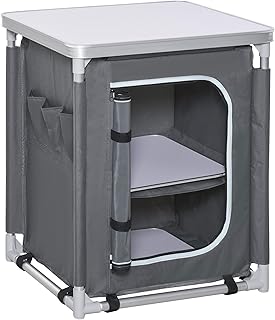
Keeping your camping kitchen organised dramatically improves the cooking experience and helps prevent forgotten items or spoiled food. A dedicated camping kitchen storage box or bag keeps everything together and makes setup quick and efficient. Many camping storage solutions feature multiple compartments for categorising items. Some fold-up camping kitchens include integrated storage alongside preparation surfaces and sometimes even windshields for stoves.
Food storage requires particular attention to prevent spoilage and protect against wildlife. Sealable plastic containers keep dry goods fresh and organised, whilst cool boxes or camping fridges are essential for perishable items. When selecting a cool box, consider the duration of your trips and available ice or cooling pack options. Compression stuff sacks can compress soft items like tea towels and cleaning cloths, creating more space in your camping kitchen kit.
Lighting for Evening Cooking
British summers offer long daylight hours, but you'll inevitably find yourself cooking in dim conditions at some point. Adequate lighting makes evening meal preparation safer and more enjoyable. LED camping lanterns provide excellent illumination whilst consuming minimal power, and many modern versions are rechargeable via USB. Headtorches are invaluable for hands-free lighting, allowing you to see what you're doing whilst keeping both hands available for cooking.
Position lighting carefully to illuminate your preparation and cooking areas without creating harsh shadows. Some campers string up LED light strips in their cooking area, powered by portable battery packs. Always have backup lighting options and spare batteries, as cooking in complete darkness is both frustrating and potentially dangerous.
Food and Ingredient Essentials
Beyond equipment, stocking appropriate food items is crucial for camping kitchen success. A well-planned camping pantry includes non-perishable staples that form the foundation of multiple meals. Essential items include cooking oil, salt, pepper, and a selection of dried herbs and spices. These basics allow you to add flavour to otherwise simple camping meals without carrying excessive weight.
Pasta, rice, and dried noodles provide excellent carbohydrate bases that are lightweight, long-lasting, and versatile. Tinned goods including beans, tomatoes, and fish offer protein and variety whilst requiring no refrigeration. Many campers prepare pre-mixed spice blends and seasonings in small containers at home, reducing the number of individual items they need to pack. Fresh ingredients should be planned carefully, with more perishable items used earlier in your trip and hardy vegetables like potatoes, onions, and carrots saved for later.
Fire Safety and First Aid
Safety should never be overlooked in your camping kitchen setup. A small fire extinguisher or fire blanket specifically designated for your cooking area could prevent a minor incident from becoming a disaster. Ensure you understand how to use these safety devices before you need them in an emergency. When cooking with gas, always check connections for leaks and never use stoves inside tents or poorly ventilated areas due to carbon monoxide risks.
A basic first aid kit should always be accessible in your camping kitchen area. Burns from hot cookware, cuts from knives, and scalds from boiling water are among the most common camping injuries. Include burn gel, waterproof plasters, antiseptic wipes, and pain relief medication. Knowing basic first aid procedures is just as important as having the supplies.
Extras That Enhance the Experience
Whilst not strictly essential, certain additional items can significantly enhance your camping cooking experience. A windshield for your stove improves fuel efficiency and cooking speed, particularly important in exposed locations. Pot grippers or handle sleeves protect your hands when moving hot cookware, especially if your pots have metal handles. A camping coffee maker, whether a French press, pour-over cone, or percolator, ensures you never compromise on your morning brew.
Reusable containers for leftovers reduce food waste and provide easy lunch options. A small camping table creates a dedicated preparation surface, keeping food off the ground and providing comfortable working height. Some campers appreciate having a spice rack or hanging organiser to keep frequently used items easily accessible. These extras add weight and bulk to your camping kitchen, so carefully consider whether they justify their space in your particular camping style.
Seasonal Considerations
British weather demands flexibility in your camping kitchen setup. During colder months, windshields become more critical, and you might want additional fuel supplies as stoves operate less efficiently in low temperatures. Insulated mugs keep hot drinks warm longer, whilst thermal food containers allow you to prepare hot meals that stay warm throughout the day. Summer camping brings different challenges, with food storage requiring extra attention. Shaded cooking areas become important, and you'll appreciate having cold drink options and ingredients for refreshing meals.
Maintenance and Care
Proper maintenance extends the life of your camping kitchen equipment considerably. Clean all items thoroughly after each trip, ensuring everything is completely dry before storage to prevent mould and rust. Check gas connections and hoses regularly for wear or damage. Sharpen knives as needed and treat wooden items with appropriate oils. Store equipment in a cool, dry place, and periodically inspect everything even when not in use. Well-maintained equipment remains reliable for years, proving more economical than constantly replacing neglected items.
Building Your Kit Gradually
Creating a comprehensive camping kitchen doesn't require purchasing everything simultaneously. Start with absolute essentials for your first few trips, then add items as you discover what would improve your experience. This approach allows you to invest in quality items gradually rather than buying cheap equipment that needs replacing. Learning what you actually use versus what seemed necessary before you started camping helps you build an efficient, personalised kit without unnecessary bulk.
Summary
Creating the perfect camping kitchen involves careful selection of equipment tailored to your specific camping style, group size, and culinary ambitions. Essential items include reliable cooking equipment such as stoves and cookware, proper preparation tools including knives and chopping boards, appropriate utensils and eating equipment, and crucial supplies for water management and cleaning. Organisation solutions keep everything accessible and protected, whilst adequate lighting ensures safe evening cooking. Never overlook safety equipment including fire prevention tools and first aid supplies.
Beyond the basics, consider extras that genuinely enhance your experience without adding excessive weight or bulk. Seasonal adjustments to your kit ensure comfort and functionality year-round, whilst proper maintenance protects your investment and ensures reliability. Building your camping kitchen gradually allows you to learn what truly matters for your outdoor cooking adventures whilst investing in quality items that last.
The most important aspect of any camping kitchen is that it suits your needs and enhances rather than complicates your outdoor experience. Whether you're a minimalist backpacker or a family camper with a fully equipped setup, having the right essentials means you can focus on enjoying delicious meals and creating wonderful memories in the great outdoors. With this comprehensive guide, you're well-equipped to build a camping kitchen that serves you reliably on countless adventures to come.